Longhair: A Refined Handwritten Font for Modern Design
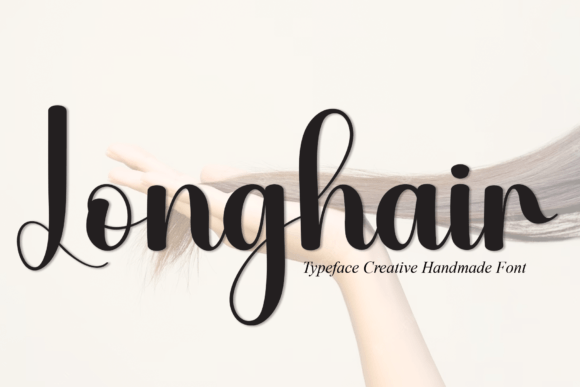
Every designer knows the moment when a project calls for something personal, something that feels crafted by hand rather than generated by machine. Longhair fills that need beautifully. Longhair is an exquisite handwritten font, masterfully designed to become a true favorite. It maintains its classy calligraphic influences while feeling contemporary and fresh. Fall in love with it and bring your projects to the highest levels. Whether you are building a brand identity from scratch or refreshing an existing visual system, this premium font brings warmth and sophistication in equal measure.
Typography choices shape how people perceive a brand before they read a single word. A script font like Longhair communicates care, creativity, and attention to detail. Unlike stiff, overly formal typefaces, this handwritten font feels approachable without sacrificing elegance. It works as a display font for headlines and hero text, yet remains legible enough for short blocks of copy when used thoughtfully. Designers searching for a creative font that bridges traditional calligraphy and modern typography will find Longhair a compelling option worth exploring.
What Sets Longhair Apart from Other Handwritten Fonts
The market offers countless script and handwritten typefaces, but few achieve the balance Longhair delivers. Many lean too heavily into casual brush strokes and lose refinement, while others feel so polished they lose the human touch entirely. Longhair strikes a deliberate middle ground. Its letterforms carry the fluid motion of ink on paper, with subtle variations in stroke weight that mimic natural handwriting. The ascenders and descenders flow gracefully, creating a rhythmic visual cadence that draws the eye across the page.
This typeface also handles contextual alternates and ligatures with care, which means repeated characters look organic rather than identical. For logo design and editorial design, this authenticity makes a noticeable difference. When a font feels genuinely hand-rendered, the entire composition gains credibility. Longhair avoids the trap of looking like a digitized imitation, which is why it appeals to professionals who value design assets that elevate their work rather than compromise it.
Where Longhair Shines Brightest
Understanding where a font performs best helps designers make confident decisions. Longhair excels in applications that benefit from personality and visual warmth. Here are some of the most effective use cases:
- Branding and visual identity systems that need a signature, human touch
- Packaging design for artisanal goods, cosmetics, beverages, and specialty foods
- Social media graphics where scroll-stopping headlines require character and charm
- Poster design and event promotions that call for expressive typography
- Invitations and stationery for weddings, galas, and personal celebrations
- Website hero sections and landing pages that want a distinctive web design focal point
- Merchandise and apparel where typography becomes the central design element
Each of these applications benefits from the font's ability to feel both luxurious and genuine. In packaging design, for instance, Longhair can make a product feel handcrafted and premium on the shelf. In social media graphics, it helps posts stand out in feeds saturated with generic sans-serif text. The versatility across print and digital formats makes it a practical addition to any designer's toolkit.
Pairing Longhair for Visual Harmony
Every expressive display font needs thoughtful companions to create balanced layouts. Longhair works beautifully when paired with clean sans serif font choices that provide contrast without competing for attention. A geometric sans-serif like Montserrat or a neutral workhorse like Inter can ground the decorative quality of Longhair, letting the handwritten elements breathe while maintaining readability for body copy.
For projects that lean more editorial, pairing Longhair with an elegant serif font creates a layered, sophisticated look. The key is to let Longhair take the spotlight in headlines, pull quotes, or logotypes, while the secondary typeface handles longer passages of text. This approach to font pairing respects visual hierarchy and ensures the overall design feels intentional rather than chaotic. Designers should test pairings at multiple sizes to confirm that contrast levels and x-height proportions work together harmoniously.
Practical Considerations Before You Download
Before adding Longhair to your collection of design assets, take time to evaluate how it will perform in your specific context. Test the font download on sample layouts that mirror your intended use. Pay attention to how the letterforms behave at smaller sizes, since handwritten fonts can lose clarity when scaled down too aggressively. Longhair works best as a display font at larger point sizes, so reserve it for headlines, titles, and featured text rather than dense paragraphs.
Licensing also deserves careful attention. Whether you need a commercial font for client work, a branding project, or digital products, confirm that the license covers your intended usage. Some font download platforms offer extended licenses for merchandise, broadcasting, or app embedding. Taking this step early prevents complications later and supports the type designers who create these valuable tools. A well-chosen, properly licensed typeface protects both your creative work and your professional reputation.
Why Typography Defines Brand Perception
The fonts a brand chooses communicate as much as the words they spell. A handwritten font like Longhair signals personality, originality, and a human-centered approach. In a marketplace where consumers increasingly value authenticity, typography becomes a silent ambassador for brand values. When used consistently across touchpoints, from logo design to presentations and digital products, Longhair helps build recognition and emotional connection.
Investing in high-quality typography is not merely an aesthetic decision. It affects usability, accessibility, and the overall user experience. A premium font with well-crafted kerning, spacing, and character sets reduces the friction between message and audience. Designers who treat font selection as a strategic choice rather than an afterthought consistently produce more polished, professional work. Longhair offers that level of refinement for projects that demand a distinctive, memorable voice.
Making Longhair Part of Your Creative Workflow
Integrating a new creative font into your workflow should feel exciting, not overwhelming. Start by experimenting with Longhair in low-stakes projects to understand its rhythm and personality. Apply it to a personal branding exercise, a mock poster design, or a conceptual packaging design project. Observe how the letterforms interact with whitespace, color, and imagery. This hands-on exploration builds confidence and reveals possibilities that static previews cannot convey.
Over time, Longhair can become a go-to asset for projects that need a touch of handcrafted elegance. Its blend of classy calligraphic influences and contemporary freshness keeps it relevant across trends and seasons. Designers who curate their font libraries with intention, choosing quality over quantity, consistently deliver stronger results. Longhair earns its place in that curated collection by offering genuine versatility and timeless appeal without ever feeling generic or overused.